Red Burger: A Bold Script Font for Creative Projects
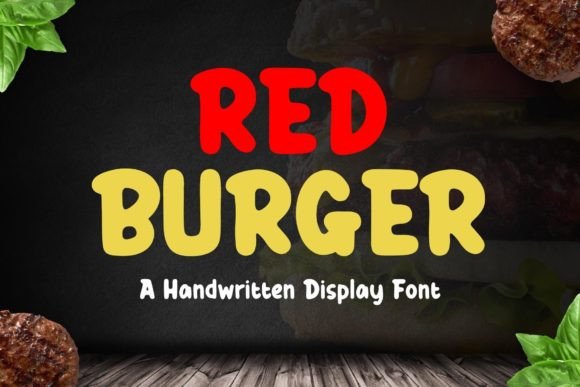
When I first laid eyes on Red Burger, it struck me as a font that doesn’t just communicate—it performs. Its character shapes exude a lively, handcrafted energy that immediately evokes a sense of fun and approachability. The typeface feels like a signature scribbled with confidence, making it perfect for brands aiming to project a vibrant, youthful, or artisanal personality. As a designer who evaluates fonts daily, I can say Red Burger stands out in the crowded world of script and display fonts.
A Visual Personality That Speaks Volumes
Script fonts are tricky—they often lean too heavily into elegance or become illegible when overused. But Red Burger manages to walk that fine line between playful and professional. The letters have a natural flow, with exaggerated ascenders and descenders that give each character its own identity. It’s not your typical cursive; there’s a bit more edge and attitude here, which makes it feel modern while still holding onto that classic hand-lettered charm.
This font is ideal for projects where you want to convey warmth without losing impact. Think boutique shops, food brands, event invitations, or lifestyle content. It naturally fits into environments where creativity is key, and where the brand voice needs to be expressive yet readable enough to avoid alienating the audience.
Where Red Burger Shines in Real-World Applications
- Logo Design: Red Burger adds a dynamic flair to logos, especially for startups or small businesses in the food, fashion, or craft industries. It’s great for creating a memorable visual mark that stands apart from generic sans serifs.
- Brand Identity: If you're building a brand around community, authenticity, or local flavor, this script amp font can serve as the cornerstone of your typographic language. Use it sparingly in headlines and taglines to maintain professionalism.
- Packaging Design: The font brings an energetic touch to product labels and packaging. It works particularly well on items like gourmet snacks, handmade soaps, or DIY kits—anything with a creative twist.
- Posters & Flyers: For short, punchy phrases or event titles, Red Burger delivers high visual impact. Just be mindful of contrast and legibility at a distance.
- Invitations & Merchandise: This font feels personal and inviting, which is why it's a solid choice for wedding invites, birthday cards, or custom merchandise like mugs and t-shirts.
- Website Headers: In digital spaces, use Red Burger for hero sections or section headers. Its unique character ensures your site isn’t lost in the sea of standard web typography.
- Blog Graphics & Social Media: It’s perfect for crafting attention-grabbing social posts, blog banners, or newsletter headers. The font’s expressiveness helps break up text and add visual interest without overwhelming the layout.
- Editorial Design: While not suitable for body copy, it excels in pull quotes, chapter headings, or feature titles in magazines, zines, or print-on-demand books.
- Printable Products: From printable stickers to SVG files for Cricut or Silhouette, Red Burger retains its charm and clarity even when scaled down.
- Canva Templates: Pair it with clean sans serif fonts for a balanced look. It works especially well in templates for cafes, festivals, or creative workshops.
- Digital Ads: When used as a headline, it grabs attention quickly. Just ensure it’s paired with a secondary font that maintains readability for supporting copy.
Use With Care: When Less Is More
Despite its strengths, Red Burger is not a one-size-fits-all solution. There are specific scenarios where it should be used thoughtfully or avoided altogether:
- Large Headlines: The exaggerated strokes may cause issues with spacing if not adjusted carefully. Test how it looks across different screen sizes and resolutions.
- Short Phrases: Perfect, but only if they’re impactful. Avoid using it for vague or overly complex messages that need clarity.
- Quotes: Works well for short, catchy lines but can get messy with longer blocks of text. Keep it simple and let the message breathe.
- Premium Packaging: On luxury products, it might come off as too casual unless supported by the right design elements and color palette.
- Social Posts: Great for Instagram stories or Pinterest pins, but always test it in grayscale to ensure it holds up on black-and-white screens or printed materials.
- Supporting Text: Never use it for body copy or captions. It lacks the structural consistency needed for long-form reading.
Readability and Brand Impact
As a designer, I always ask myself: does this font support the message? Red Burger leans toward being a display font rather than a utility font. It’s best suited for short bursts of text where visual appeal takes precedence over legibility. However, don't underestimate its power in shaping a brand’s tone. The right typeface can influence everything from customer perception to engagement levels.
In terms of hierarchy, Red Burger works beautifully as a primary title or accent font. It commands attention and sets the mood, allowing other parts of the design (like a complementary serif or sans serif font) to handle the heavy lifting of communication. That said, if your brand relies on a consistent, formal tone, this font may not be the best fit.
From a trust-building perspective, it’s important to note that script fonts can sometimes feel less credible in certain industries. But for niche markets like food, fashion, or lifestyle, it enhances recognition and emotional connection. It’s all about knowing your audience and aligning the font with their expectations.
Practical Tips for Using Red Burger in Your Work
Before committing to Red Burger for a client or personal project, take these steps to evaluate its performance:
- Test in Black and White: Does the font lose its character without color? If it becomes flat or hard to read, consider toning it down or adjusting stroke weights.
- Check Small-Size Readability: Zoom in and see if the details hold up. Some script fonts become muddy at smaller sizes, but Red Burger remains crisp in most cases.
- Try It on Real Mockups: Apply it to actual mockups—business cards, signage, or website layouts—to see how it behaves in context.
- Compare Uppercase and Lowercase: Red Burger has both styles, but the lowercase feels more fluid and natural. Use uppercase for emphasis or decorative accents.
- Review Spacing: Like many script fonts, it may require some manual kerning to prevent letters from feeling cramped or disconnected.
- Test Beside Other Fonts: Try pairing it with a serif font for contrast in editorial work, or with a handwritten font for a cohesive, organic vibe in branding.
- Confirm Commercial Licensing: Always verify licensing before using any commercial font in client work or for-profit projects. Red Burger offers flexibility, but it’s crucial to stay compliant.
Font Pairing Suggestions
To create a harmonious font pairing, consider the following combinations:
- With Serif Fonts: Balances the informality of Red Burger with a timeless, elegant backdrop.
- With Sans Serif Fonts: Adds a pop of character while keeping the rest of the design clean and contemporary.
- With Display Fonts: Complements bold, geometric styles in posters and ads with a softer, more human touch.
- With Handwritten Fonts: Enhances a personal, artisanal feel in packaging or stationery designs.
Final Thoughts for Designers and Marketers
Red Burger isn’t a background player in the typography game—it’s a showstopper. As a creative font, it thrives in environments where visual storytelling matters more than strict readability. Whether you're designing for a new food truck or a trendy lifestyle brand, it can help carve out a distinct identity that resonates with your target audience.
But remember, every font has its limits. Red Burger is not a utility tool; it’s a design asset meant to elevate the mood and style of your visuals. Used wisely, it can enhance brand identity, increase engagement, and inject personality into your work.
If you’re looking for a premium font that brings life to your designs without sacrificing quality, Red Burger is worth considering. Just make sure it aligns with your project goals and complements the rest of your design system effectively.